document.addEventListener(‘DOMContentLoaded’, function() { function fixThirdLevelSubmenus() { var items = document.querySelectorAll(‘.wp-block-navigation__submenu-container .wp-block-navigation-item.has-child’); items.forEach(function(item) { var sub = item.querySelector(‘.wp-block-navigation__submenu-container’); if (sub) { sub.style.setProperty(‘left’, ‘100%’, ‘important’); sub.style.setProperty(‘right’, ‘auto’, ‘important’); sub.style.setProperty(‘top’, ‘0’, ‘important’); sub.style.setProperty(‘margin-left’, ‘2px’, ‘important’); sub.style.setProperty(‘transform’, ‘none’, ‘important’); sub.style.setProperty(‘position’, ‘absolute’, ‘important’); } }); } fixThirdLevelSubmenus(); document.querySelectorAll(‘.wp-block-navigation__submenu-container .wp-block-navigation-item.has-child’).forEach(function(item) { item.addEventListener(‘mouseenter’, function() { var sub = this.querySelector(‘.wp-block-navigation__submenu-container’); if (sub) { sub.style.setProperty(‘left’, ‘100%’, ‘important’); sub.style.setProperty(‘right’, ‘auto’, ‘important’); sub.style.setProperty(‘top’, ‘0’, ‘important’); sub.style.setProperty(‘margin-left’, ‘2px’, ‘important’); sub.style.setProperty(‘transform’, ‘none’, ‘important’); sub.style.setProperty(‘position’, ‘absolute’, ‘important’); } }); }); });
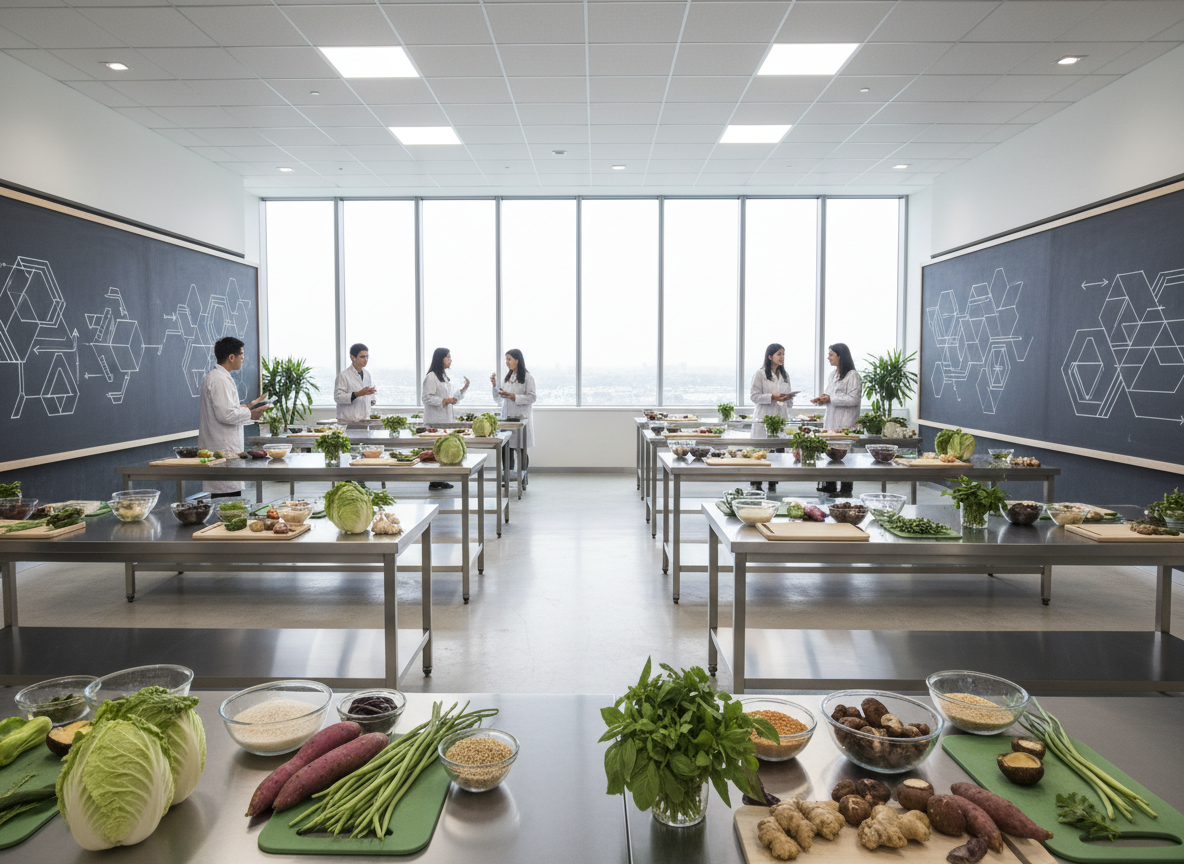
A wide photographic shot of a bright, modern food design lab classroom with rows of stainless workstations, each holding neat arrangements of fresh vegetables, grains, and herbs commonly used in Taiwanese home cooking. Large windows reveal a soft, overcast sky, filling the room with even, neutral light that minimizes glare. Chalkboard-style panels on the walls show subtle geometric patterns instead of text, implying teaching and brainstorming. The composition uses leading lines from the workstations toward the back of the room, creating depth and perspective. The atmosphere is academic, collaborative, and forward-looking, ideal for an educational center focused on food research and design.

食物設計研究中心

本中心立基於高雄餐旅大學深厚的餐旅與飲食專業,以食物設計為核心,結合理論研究與實作實驗,從餐桌延伸到整體食物系統。我們重視人本關懷、在地連結與永續思維,透過跨域合作與創新方法,持續提出面向健康、文化保存、環境永續與身心療癒的整合性解決方案,並形塑臺灣食物設計的知識與實務基地。

關於研究中心

高雄餐旅大學食物設計研究中心,以「食物為媒介」連結設計思維、飲食文化與健康科學,回應當代飲食與環境的挑戰。我們聚焦健康、文化、永續與療癒四大面向,整合餐旅、設計、人文與社會實踐等跨領域專業,從食物系統與日常生活出發,探索更友善人與土地的未來。中心願景是成為臺灣食物設計研究與教育的重要樞紐,培育具創新力與社會責任的專業人才,推動地方創生與USR計畫,並與產業、政府與社區建立長期合作關係,將研究成果轉化為具體行動與實際場域的改變。
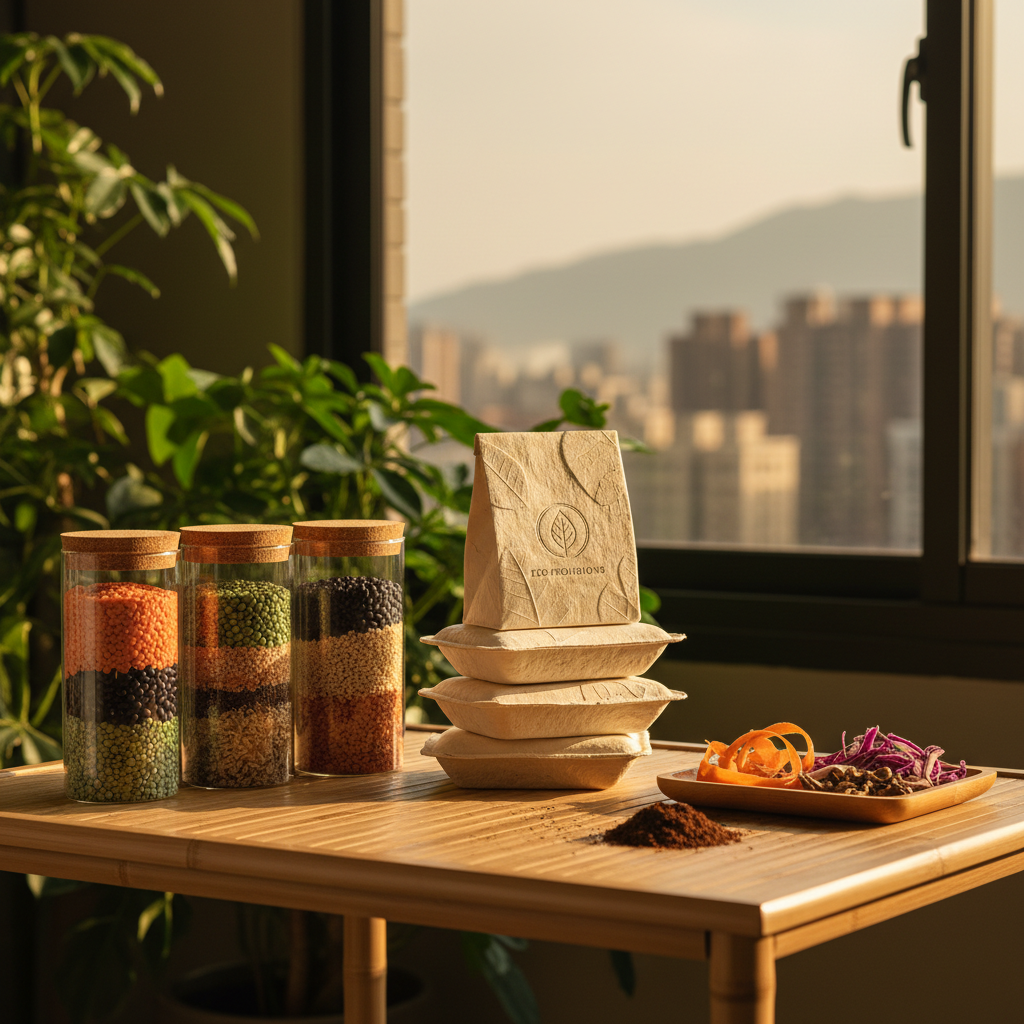
A photographic still life of a sustainability-focused food design project displayed on a bamboo table: reusable glass containers filled with colorful legumes and grains, a neatly stacked set of biodegradable food packaging prototypes, and a small tray of artistically arranged vegetable scraps prepared for upcycling. A background of soft-focus green plants and a hint of an urban Taiwanese skyline through a window suggests connection to community and environment. Warm afternoon sunlight streams in, casting gentle shadows and creating a natural glow on the bamboo texture. Composed using the rule of thirds with a calm, balanced layout, the mood is hopeful and responsible, highlighting eco-conscious food design.

核心研究團隊

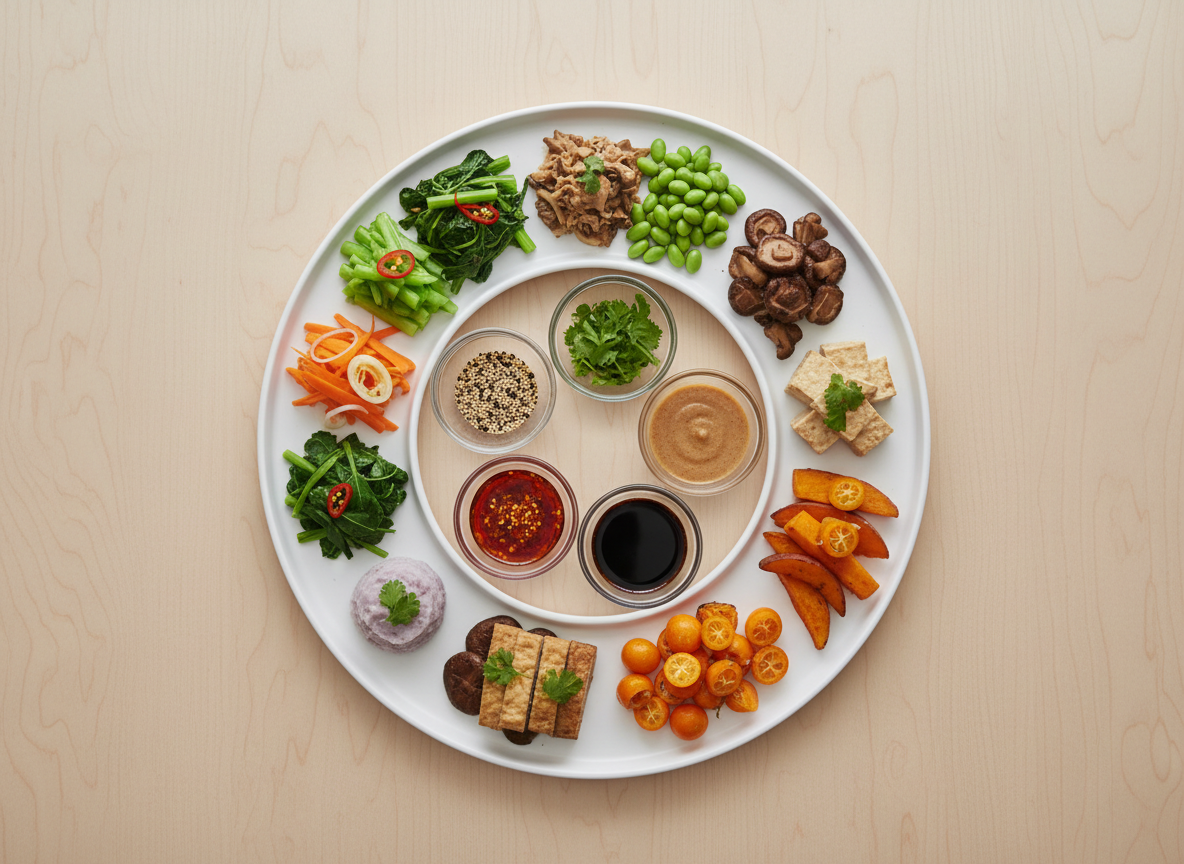
An overhead photographic view of a circular tasting layout on a light wooden table, featuring a gradient of plant-based dishes inspired by Taiwanese cuisine: vibrant greens, earthy browns, and bright orange sweet potatoes arranged on minimalist white plates. Small glass bowls hold herbs, grains, and colorful sauces, forming a visual map of health, culture, and sustainability. Soft diffused studio lighting eliminates harsh shadows, emphasizing natural colors and textures. The composition is symmetrical and clean, with plenty of negative space around the circle. The mood is thoughtful and organized, reflecting systematic food design research focused on nutrition, tradition, and future food concepts.

Aarav Sharma

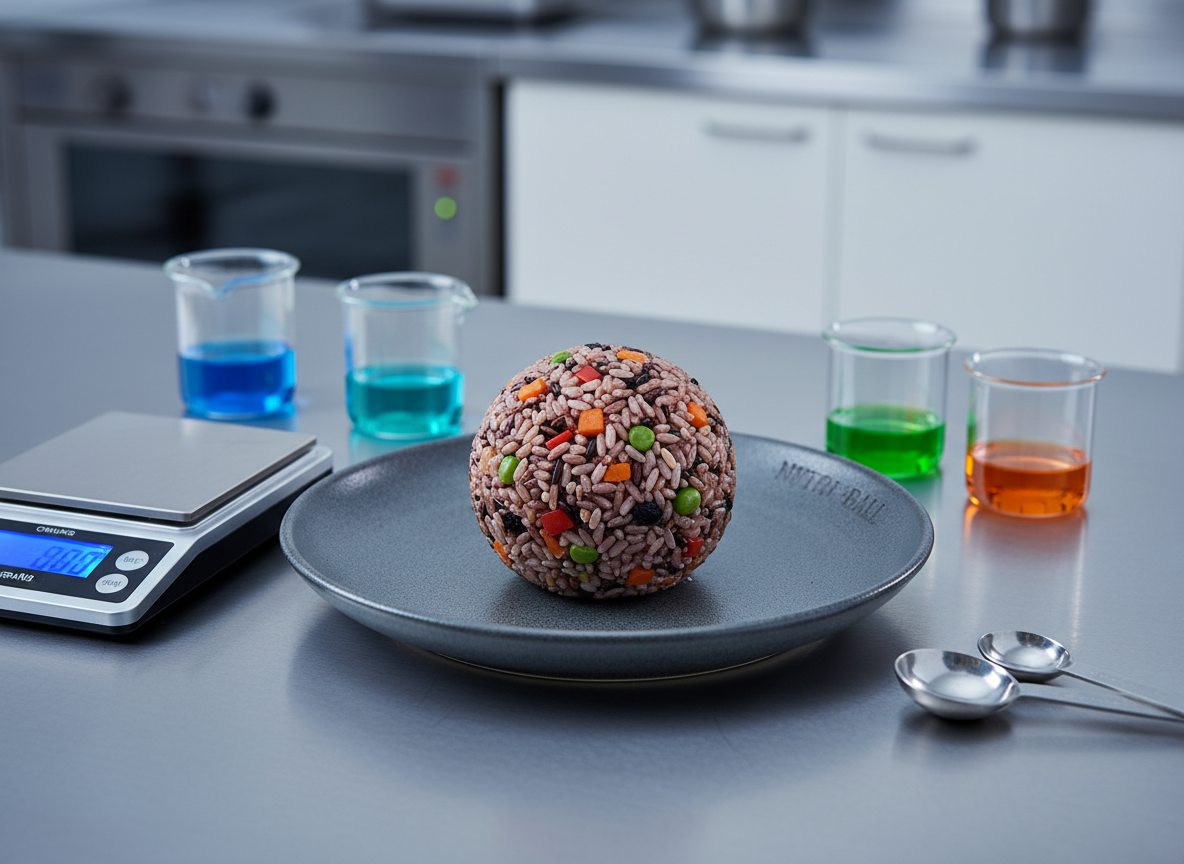
A close-up, eye-level photographic image of a single innovative dish: a reinterpretation of a traditional Taiwanese rice ball made with multigrain rice, finely diced vegetables, and seaweed, presented on a matte stoneware plate. Around it, subtle props suggest scientific inquiry: a digital scale, glass beakers with colorful liquids, and neatly arranged measuring spoons. Cool, even lab-style lighting creates crisp highlights on the glass and soft shadows under the plate. The background is gently blurred stainless steel and pale cabinets, hinting at a professional test kitchen. The mood is precise yet inviting, conveying the intersection of culinary creativity, health research, and food design.

Mateo García

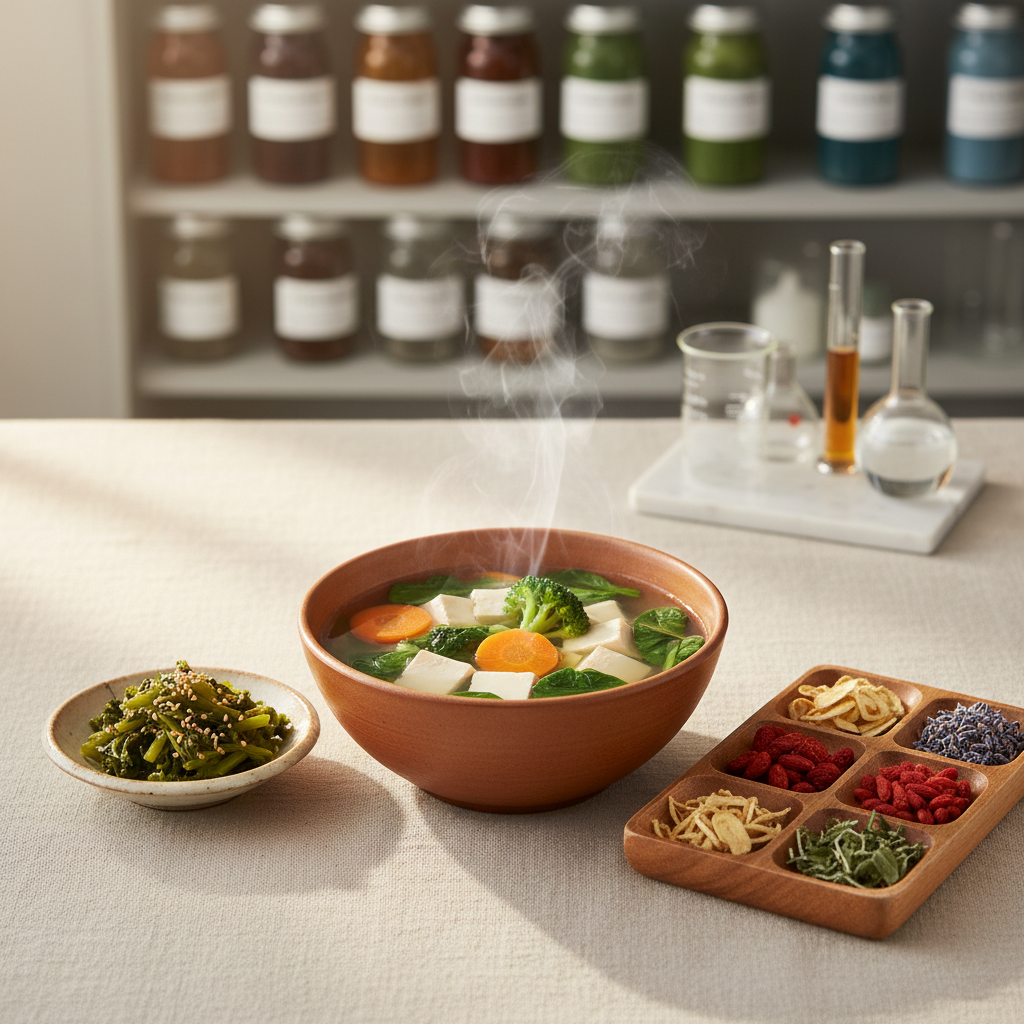
A serene photographic scene of a “healing through food” setup on a pale linen cloth: a steaming bowl of delicate herbal broth with tofu and seasonal vegetables, a small ceramic dish of pickled greens, and a wooden tray holding dried medicinal herbs carefully arranged in small sections. The setting hints at a research center, with a blurred background of shelves holding neatly labeled, color-coded containers (no readable text) and simple lab equipment. Soft, diffused morning light from the side creates a gentle glow and minimal shadows. The composition is intimate with a shallow depth of field, emphasizing comfort, wellness, and therapeutic aspects of food design.

Zuri Ndlovu

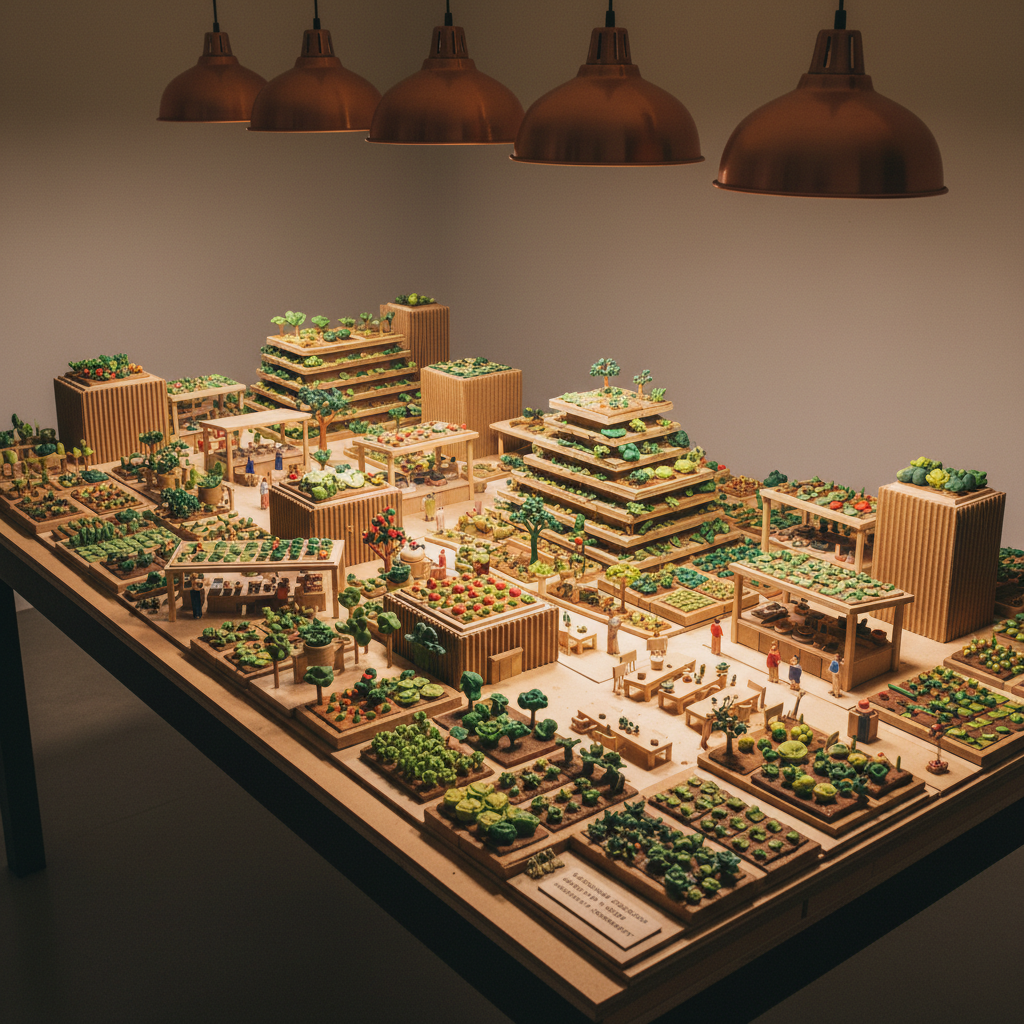
A photographic image of a conceptual “future Kaohsiung food landscape” model built on a large table: miniature representations of urban farms, rooftop gardens, and community kitchens made from textured materials like cardboard, wood, and clay. Tiny, highly detailed food models—rice paddies, vegetables, and fruit trees—dot the scene. Overhead pendant lights cast warm, even illumination, creating clear details and soft, layered shadows that add depth. Shot from a slightly elevated three-quarter angle, the composition feels like a city planning model crossed with a food tableau. The mood is visionary and optimistic, expressing how food design research connects health, culture, sustainability, and community in southern Taiwan.

Leila Haddad

聯絡研究中心

歡迎學術單位、產業夥伴、社區組織與有志投身食物設計的老師與學生與我們聯繫,一同探索合作與研究的可能。若有專案合作、USR與地方創生計畫、課程與工作坊邀約,或食物設計觀點誌相關事宜,皆可透過學校官方管道與中心窗口洽詢,我們將儘速回覆並協助媒合合適的研究與實務團隊。

← 返回

感謝回應。 ✨